
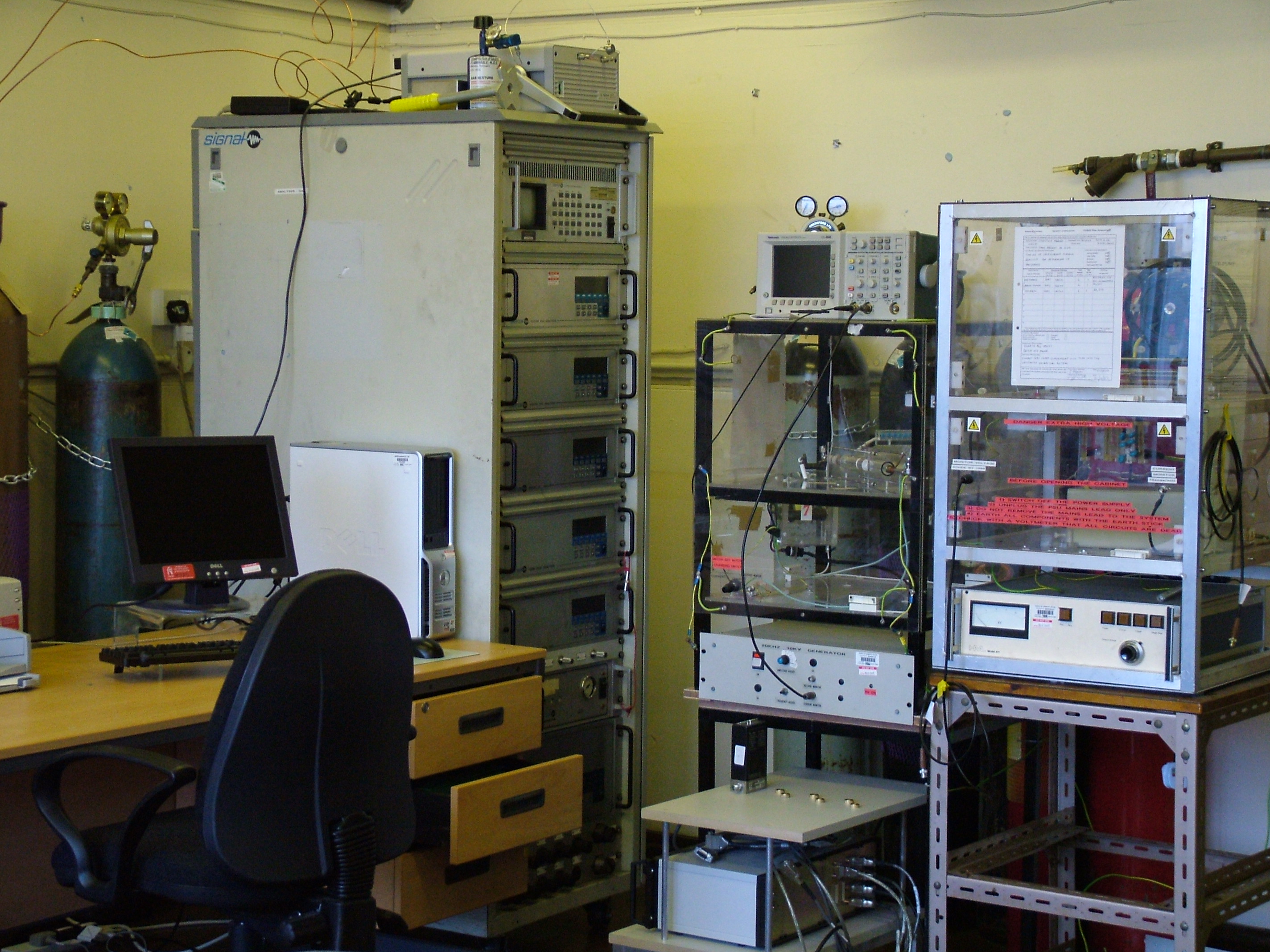
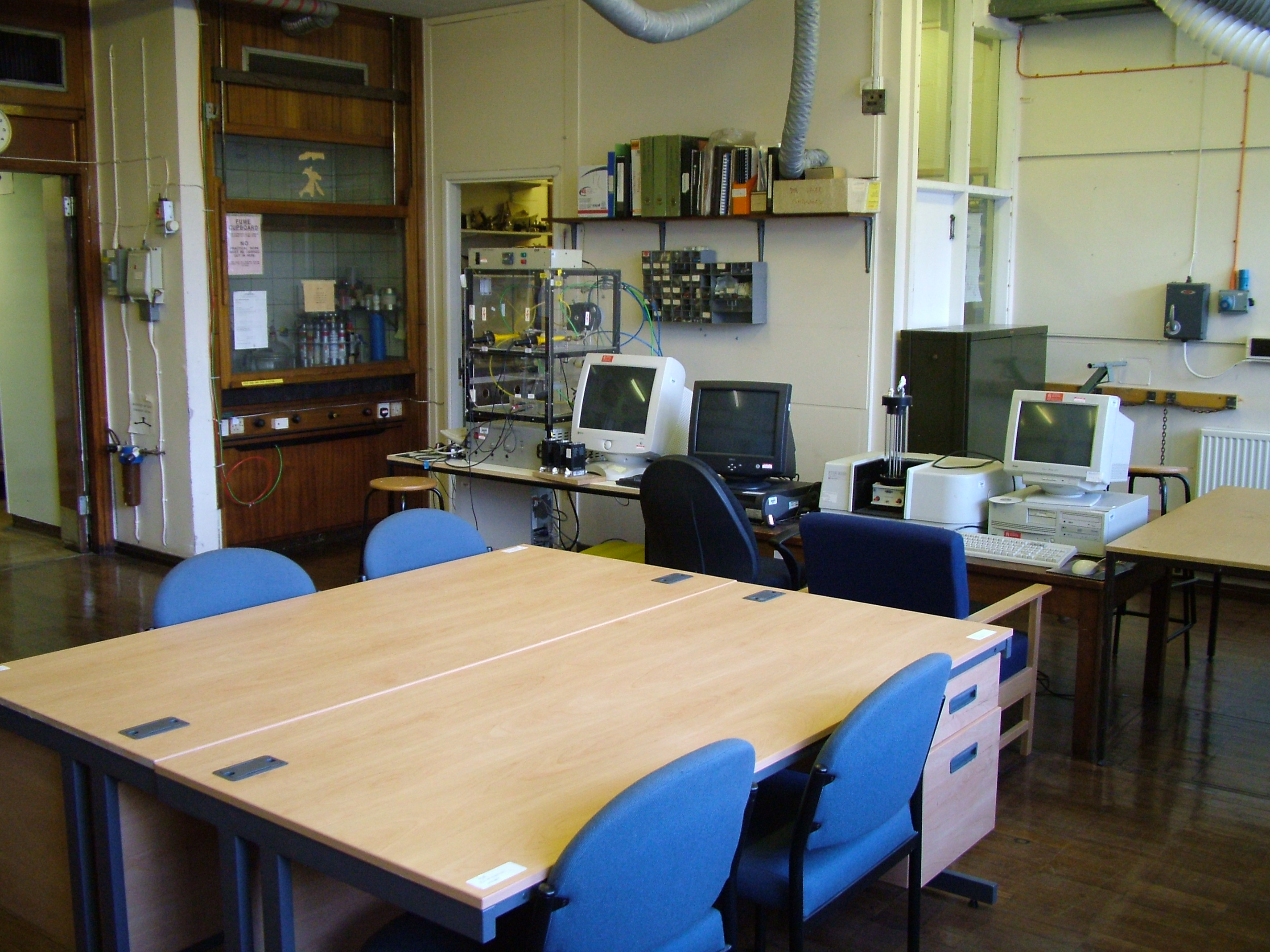
Our laboratory is equipped with a range of plasma reactors, gas handling and gas analysis equipment. We have FTIR spectrometers equipped with long-path gas cells, optical emission and microGC..
Plasma Methods for Hydrocarbon Transformations and Reforming
We were recently part of a major UK initiative funded by EPSRC intended to deliver innovative technologies for the production of clean, low cost sustainable hydrogen energy. In the project, non-thermal plasma, atmospheric pressure plasma processing was investigated for the conversion of hydrocarbons such as methane into cleaner fuels(e.g. hydrogen and methanol) in an energy efficient and sustainable way. In particular, the combination of a dielectric barrier plasma discharge (DBD) in conjunction with a catalyst was used to improve the overall conversion of the hydrocarbon and to optimise the selectivity for the production of hydrogen, methanol or more valuable feedstocks. The particular system used was the dry reforming of methane using a Ni / Alumina catalyst. We also developed plasma methods for the low temperature reduction of reforming catalysts and the growth of carbon nanofibres on metal catalysts. Reforming of methane with carbon dioxide was also performed using a gliding arc system.
Optical Emission Spectroscopy (OES) was used as a plasma diagnostic method to probe the reactive intermediates and determine the temperatures of different species.
We are continuing this work as part of an EU Initial Training Network, ITN RAPID, in which several European Universities and companies are investigating the use of non-thermal atmospheric plasma processing. The goal of the Multi-Partner ITN-RAPID (Reactive Atmospheric Plasma processIng - eDucation network) is the realization of an interdisciplinary training involving the disciplines physics, chemistry and engineering. As a result, RAPID will create the platform for a truly European PhD in plasma technology. Working with Dr Philip Martin of the School of Chemical and Analytical Sciences at Manchester, we are training a student to use spectroscopic methods to look at the mechanism of plasma-catalysis for the dry reforming of methane.
Plasma Clean-up of Decontaminated Oils
The combination of plasma discharges with liquids for waste purification is a relatively new field which has considerable potential for recovery or disposal. This project, sponsored by the Nuclear Decommissioning Agency, applies non-thermal plasma treatment for the decontamination of radioactive waste, mainly oils but also solvents that could be low or intermediate level waste (LLW or ILW). Several plasma methods (packed bed reactors and gliding arc) and processing variables have been examined to establish the decontamination potential for prototype compounds such as dodecane. Optical Emission Spectroscopy (OES) is being as a plasma diagnostic method to probe the reactive intermediates and determine the temperatures of the different species in the plasma.
October 2014